Truck Mounted Forklift Safety
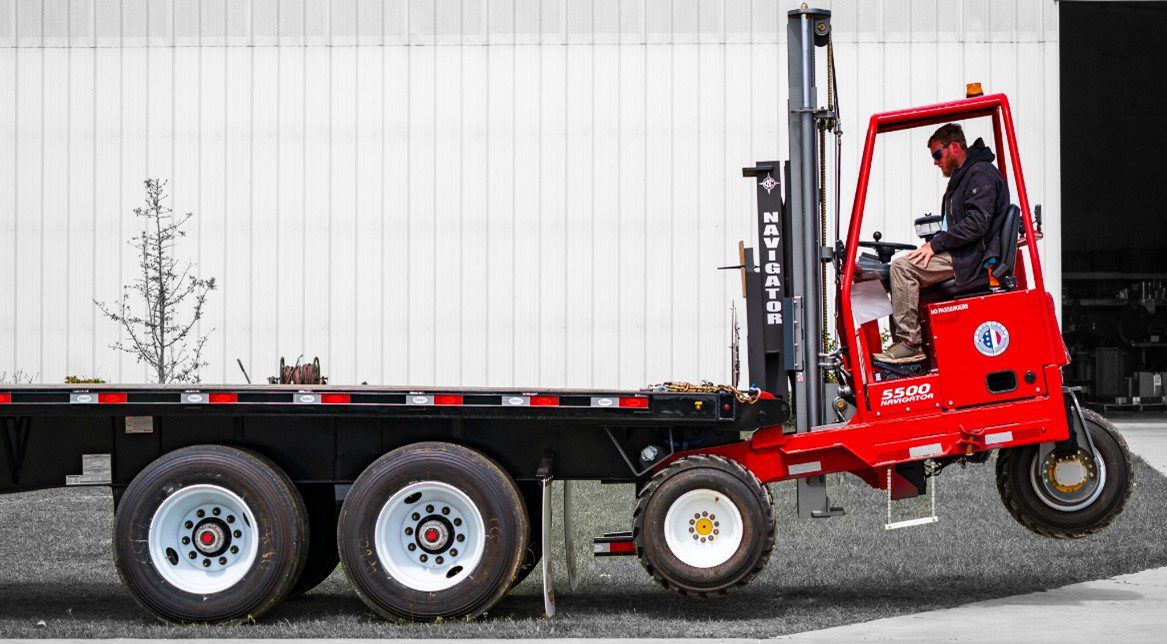
Truck-mounted forklifts (TMFs), also known as Moffett Trucks, are widely used across Canada in industries such as construction, landscaping, and material delivery. Their ability to travel with a truck and unload materials on-site makes them highly efficient—but also introduces unique safety risks. Following proper protocols for Truck Mounted Forklift Safety is essential to prevent injuries, equipment damage, and regulatory violations.
1. Operator Training and Certification
In Canada, forklift operators must be properly trained and deemed competent under provincial Occupational Health and Safety (OH&S) regulations. While there is no single national certification, employers are responsible for ensuring operators receive both theoretical and practical training specific to the truck-mounted forklift they will use.
Truck Mounted Forklift Safety Training should cover:
- Equipment operation and limitations
- Load handling and stability principles
- Hazard recognition and avoidance
- Emergency procedures
Refresher training is recommended periodically, especially after an incident or when new equipment is introduced.
2. Pre-Operational Inspections
Before each shift, operators must conduct a thorough inspection of the TMF. This Truck Mounted Forklift Safety step is critical in identifying mechanical issues that could lead to failure during operation.
Key inspection points include:
- Tires and wheels for wear or damage
- Hydraulic hoses and fittings for leaks
- Forks and mast for cracks or distortion
- Fluid levels (oil, fuel, hydraulic fluid)
- Lights, alarms, and safety devices
Any defects should be reported immediately, and the equipment must not be used until repairs are completed.
3. Understanding Load Capacity and Stability
Truck-mounted forklifts have specific load ratings that must never be exceeded. Overloading or improperly balanced loads can cause tip-overs, which are among the most common and dangerous incidents.
Operators should:
- Always check the load rating plate
- Keep loads low and tilted back when traveling
- Avoid sudden movements, especially with elevated loads
- Be cautious on uneven terrain, slopes, or soft ground
Understanding the “stability triangle” is crucial—it explains how the forklift’s center of gravity shifts during operation.
4. Safe Mounting and Dismounting
Mounting and dismounting the forklift from the truck is a high-risk activity unique to TMFs. Improper procedures can lead to rollovers or equipment falling from the truck.
Best practices include:
- Ensuring the truck is parked on level, stable ground
- Engaging all locking mechanisms before transport
- Following manufacturer guidelines for mounting/dismounting
- Keeping bystanders clear during the process
Never rush this step—most serious TMF incidents occur during loading or unloading from the truck.
5. Worksite Hazard Awareness
Each job site presents different hazards. Operators must assess the environment before beginning work.
Common hazards include:
- Uneven or unstable ground
- Overhead obstacles like power lines
- Pedestrian traffic
- Poor visibility conditions
Establish clear communication with ground workers and use spotters when necessary. Maintaining a safe distance from edges, trenches, and drop-offs is also essential.
6. Personal Protective Equipment (PPE)
For Truck Mounted Forklift Safety, operators must wear appropriate PPE at all times. At minimum, this typically includes:
- Hard hat
- High-visibility vest or clothing
- Safety boots
- Gloves (as needed)
In some environments, additional protection such as eye or hearing protection may be required.
7. Truck Mounted Forklift Safety – Operating Practices
While operating the TMF, adherence to safe driving habits is critical.
Operators should:
- Travel at safe speeds appropriate for the terrain
- Avoid sharp turns and sudden stops
- Keep a clear line of sight; if obstructed, drive in reverse or use a spotter
- Never allow passengers on the forklift
- Always use the seatbelt if equipped
When leaving the forklift unattended, lower the forks to the ground, set the parking brake, and shut off the engine.
8. Maintenance and Record Keeping
Routine maintenance ensures the forklift remains in safe working condition. Employers should implement a scheduled maintenance program based on manufacturer recommendations.
Additionally, keep detailed records of:
- Daily inspections
- Repairs and servicing
- Operator training and certification
Proper documentation not only improves safety but also helps with compliance during inspections.
9. Emergency Preparedness
Operators must be prepared to respond quickly in case of an emergency. This includes:
- Knowing how to safely shut down the equipment
- Understanding procedures for tip-overs (e.g., staying inside the cab and bracing)
- Reporting incidents immediately
First aid kits and fire extinguishers should be readily accessible on-site.
Operating a truck-mounted forklift safely in Canada requires a combination of proper training, thorough inspections, and disciplined work practices. Employers and operators share the responsibility of maintaining a safe work environment by following OH&S regulations and manufacturer guidelines. By prioritizing safety at every stage—from pre-use inspection to job completion—you can significantly reduce the risk of accidents and ensure efficient, incident-free operations.